A macro synthetic fiber price differs from one quote to the next because the bags hold different things. The polymer, the thickness and length of each fiber, the tested strength, the quality paperwork and the packaging all change what you are paying for. So the price per kilogram, read on its own, tells you very little. What matters is the cost of the dose that does the job in one cubic metre of your concrete. This guide lists no prices. Instead, it explains what sits behind them, so you can compare quotes on equal terms.
Why price per kilogram is the wrong comparison
You buy fiber by the kilogram, but you use it by the cubic metre. Two macro fibers can carry the same price per kilogram and still cost very different amounts in your slab, because each one needs its own dose. For example, our macro grades run from 2–4 kg/m³ for crack control with PG EC-45 up to 4–9 kg/m³ for shotcrete with PG SC-48. A low price per kilogram at a high dose can therefore cost more per cubic metre than a higher price at a lower dose.
The sum itself is short, because dose times price per kilogram gives the fiber cost per cubic metre. Our guide to concrete fiber cost per cubic metre walks through that sum and the mesh package on the other side. This article covers the step before it. That step is understanding why two quotes for "macro fiber" are often not quotes for the same product.
The polymer: what goes into the fiber
The first line behind any macro synthetic fiber price is the raw material. Iran's Code 120-4, the quality-control guideline for concrete with polyolefin fibers, asks that a polyolefin fiber contain at least 85% olefin. It also asks for a DSC test to ASTM D7138, which identifies the polymer. So a quote should name the polymer and say whether it is virgin or recycled. If it does not, ask.
We make every Polyguard grade from 100% virgin polypropylene, with no recycled polymer. That choice shows up in the price, and it should also show up in the paperwork. Our checklist for virgin polypropylene fiber covers six simple checks you can run before you buy.
Geometry: thickness, length and cutting accuracy
A macro fiber is not just a long micro fiber. ACI describes synthetic macrofibers as thicker and longer, roughly 0.3 to 1.0 mm across and 12 to 65 mm long. They come as sticks, ropes or tapes, and some carry an embossed surface. Code 120-4 draws the same line by linear density. Fibers of 581 denier and above count as macro, while 580 denier and below count as micro.
Geometry matters for price in two ways. First, it decides how many separate fibers you get in each kilogram, and that count is what crosses a crack. Second, it decides how hard the fiber is to make well. Code 120-4 checks length on 30 fibers: the mean must sit within ±10% of the declared length, and 95% must fall inside the declared range. Holding that tolerance on every batch takes steady extrusion and accurate cutting.
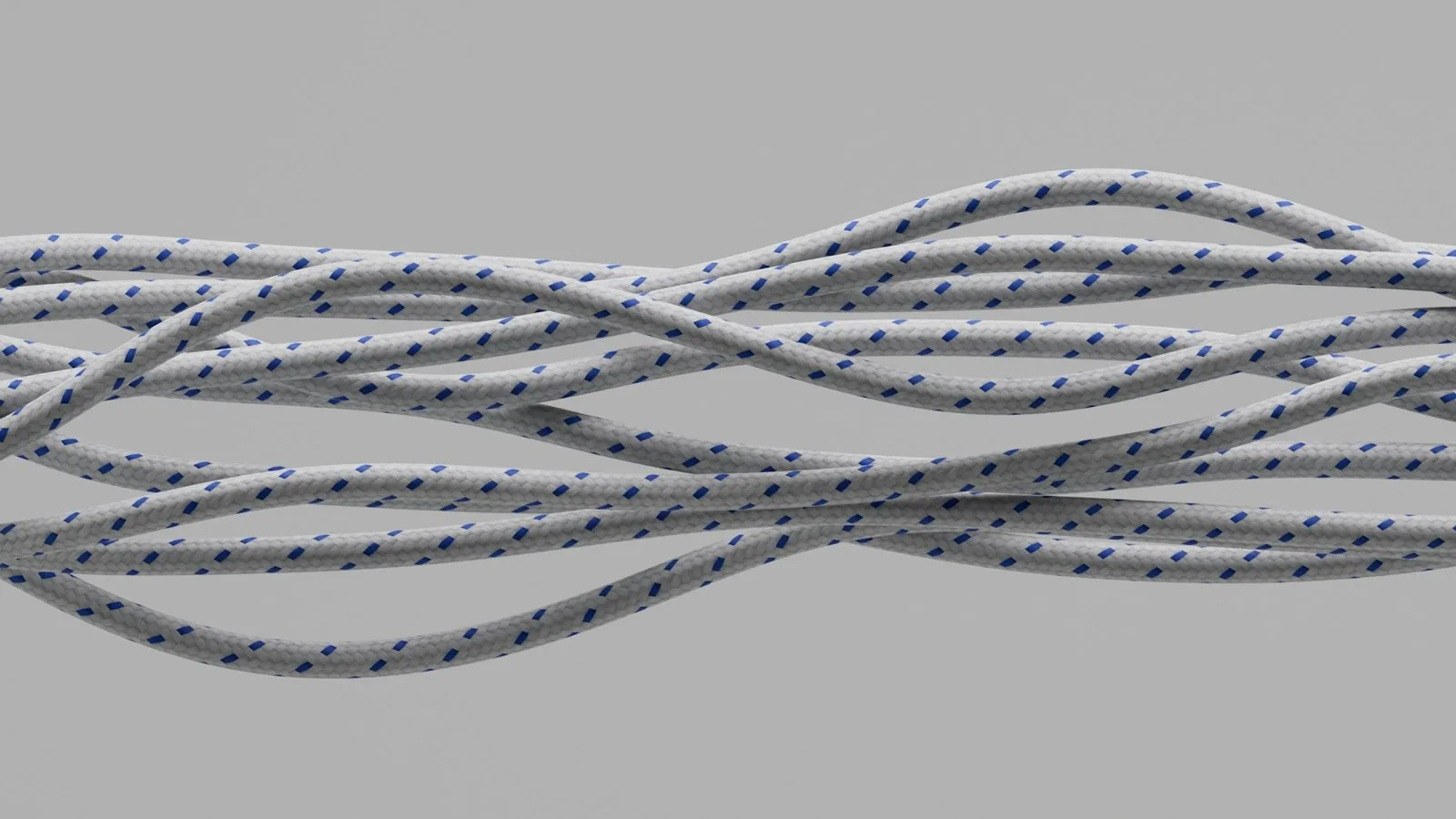
For instance, our macro grades come in four fixed lengths: 40, 45, 48 and 54 mm. Each length matches a type of job, from precast to industrial floors. However, a quote for a different length is a quote for a different product, even when the polymer is the same.
Tested properties and the paperwork behind them
Next comes strength. For example, Code 120-4 asks for a macro fiber tensile strength above 345 MPa. It also caps the surface finish applied in production at 1% for macro fiber. A supplier who tests these values on each batch carries the cost of a lab and the staff to run it. A supplier who skips those tests may quote lower, but then you carry the risk instead.
The concrete tests matter even more. ASTM C1609 measures flexural performance of fiber-reinforced concrete on a beam. It gives a first-peak strength and residual strengths after cracking. The standard notes that results depend on specimen size, so two reports only compare fairly when they use the same method and the same beam size. If one quote comes with a test report and the other does not, then nobody can design a dose for the second fiber. As a result, guesswork takes over, and guesswork usually means a higher dose.
Polyguard works under an ISO 9001 quality system, on automatic extrusion lines, with an in-house laboratory. Every production batch has its own QC certificate. In addition, we issue test reports for the method your specification names on request. That is part of the macro synthetic fiber price, and it is the part that lets an engineer trust the dose.
Packaging, delivery and support
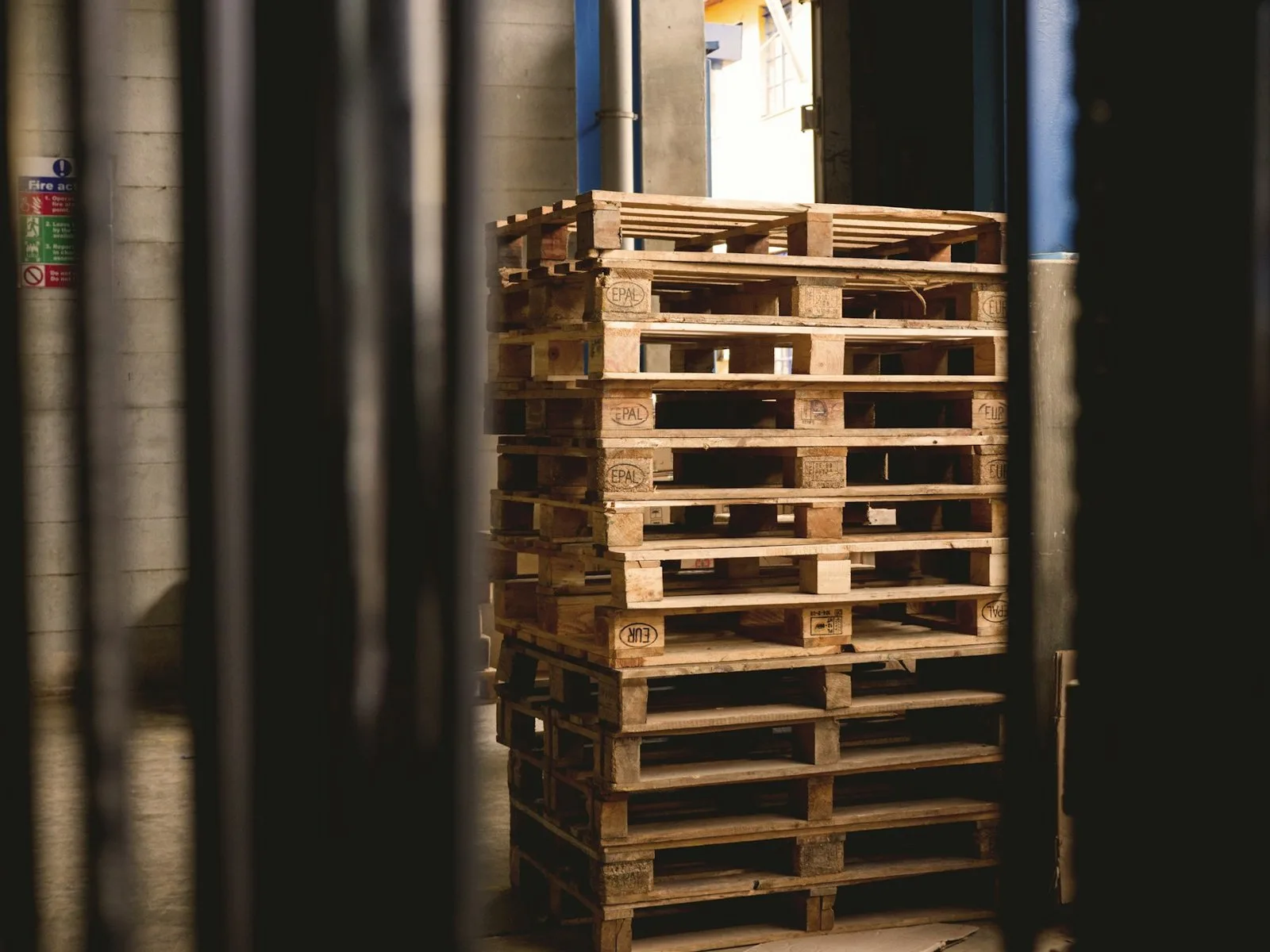
Packaging looks like a small line, yet it changes the work on site. Our fiber comes in 3 kg and 5 kg water-soluble bags, which go straight into the drum. Whole bags are easy to count, so the dose on the delivery ticket matches the dose in the concrete. Loose fiber in large sacks may cost less to pack. Still, someone has to weigh it for each load, and part-used sacks often go to waste. Code 120-4 also asks sites to weigh opened bags again.
Support is the last line, and it is easy to overlook. Our technical team designs the dose free of charge from your section, loading and exposure. We also send a free sample for a trial mix with your own materials, and on request we attend the first pour on industrial floors. Quantity, delivery point and payment terms change any quote as well, so state them clearly when you ask.
How to compare macro synthetic fiber price quotes
First, put every quote on the same basis before you look at the totals. The table lists what to ask for and why each item moves the number.
| Line on the quote | What to ask for | Why it changes the price |
| Polymer | Polymer name, virgin or recycled | Raw material is the base cost |
| Geometry | Length, denier, shape | Fiber count per kg and production effort |
| Fiber tests | Tensile strength per batch | Lab work and tighter process control |
| Concrete tests | Report to the method your specification names | Lets the engineer design the dose instead of guessing |
| Dose | Designed dose for your element, in kg/m³ | Turns price per kg into cost per m³ |
| Packaging and delivery | Bag size, delivery point, lead time | Handling, waste and dosing accuracy |
Watch one trap in particular. ACI gives a minimum dose of 1.8 kg/m³ for synthetic macrofibers in slabs on ground. It adds that shaped fibers do not permit a dose below that minimum. A quote that looks cheap because it assumes a dose under the minimum is not a saving. Rather, it is plain concrete with some fiber in it.
Also keep in mind what the fiber can do. Macro fiber replaces crack-control mesh and temperature steel only where the design permits. It does not replace rebar or any structural reinforcement, whatever the macro synthetic fiber price.
What to send when you ask for a quote
The fastest way to get a fair quote is to send the job, not just a tonnage. Include the element and its thickness, the loading, the exposure, the volume of concrete, and the test method your specification names. With that, a concrete fiber supplier can quote a grade and a dose rather than a bare price per kilogram. Our macro synthetic fibers for concrete page lists each grade with its dose band and data sheet. If you are still choosing between micro and macro, start with how concrete fiber works.
Frequently Asked Questions
Why do two quotes for macro fiber differ so much?
They are often for different products. The polymer, whether it is virgin or recycled, the denier and length, the tested strength, the batch paperwork and the packaging all differ, and each one changes the price per kilogram.
Is the cheapest price per kilogram the cheapest fiber?
Not necessarily. Fiber is used by the cubic metre, so multiply the designed dose by the price per kilogram. A low price at a high dose can cost more per cubic metre than a higher price at a lower dose.
Can a lower dose make a quote cheaper?
Only if the dose still does the job. ACI gives a minimum of 1.8 kg/m³ for synthetic macrofibers in slabs on ground, and shaped fibers do not permit going below it. Below the minimum the slab behaves much like plain concrete.
What should I send to get a comparable quote?
Send the element and its thickness, the loading, the exposure, the concrete volume and the test method your specification names. A supplier can then quote a grade and a designed dose rather than a bare price per kilogram.