
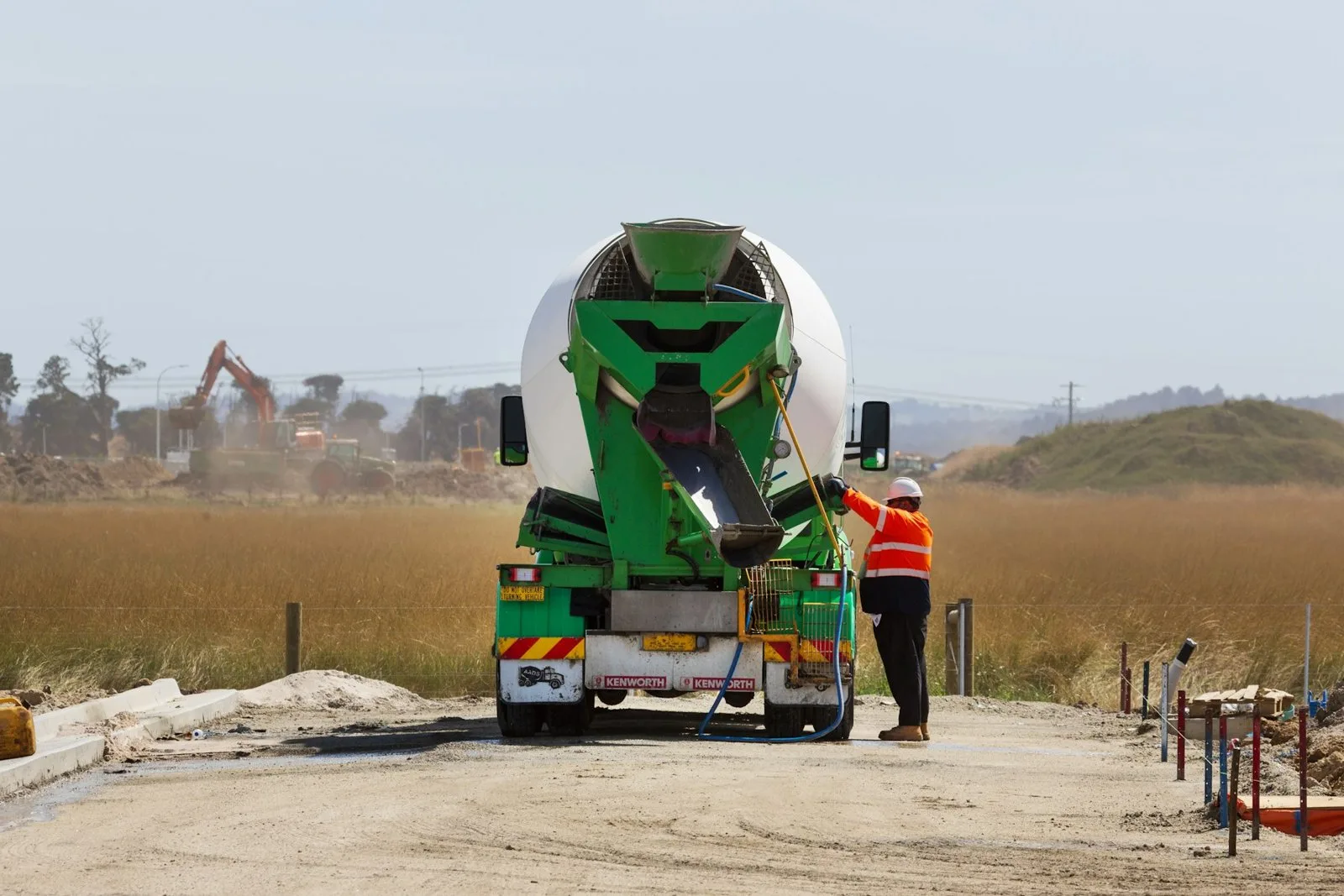
Adding fiber to concrete is simple if you follow one rule: the fiber goes into a mix that already holds its other ingredients, while the drum turns, and then it gets enough extra mixing to spread evenly. The best place to do it is the batching plant. The truck on site comes second, and a small site mixer works for small jobs if you weigh each share. Before any load leaves the drum, someone checks it for fiber balls. Here is each step in order.
Agree four things before the first load
Most fiber problems start in the order book, not in the drum. So settle four points before pour day.
The grade and the dose. Micro and macro fiber do different jobs, each with its own dose band per cubic metre. Our dosage guide covers how that number is chosen.
The addition point. Will the plant add it, or will the crew add it into the truck on site?
The mixing time. How many drum revolutions follow the last bag?
The check. Who looks at the concrete before discharge, and who can turn a load away?
If the job is new to you, also run a trial mix first. The National Precast Concrete Association says the same thing in its fiber best-practice note: test the fiber type, the dose and the batching sequence together before production.
Adding fiber to concrete at the batching plant
The plant is the best place because it has scales and a steady routine. However, timing still matters.
Truck mixer loaded under the plant
The American Concrete Institute gives clear guidance on how to mix fibers into concrete in a transit mixer. First, load all the other ingredients. Then feed the fiber steadily into the turning drum, at about 10 to 12 rpm. Once the last of it is in, mix for at least 40 drum revolutions. That takes roughly four to five minutes. ACI also says the fiber maker's own instructions come first, so read the data sheet before you set the routine.
The NPCA note is a little more cautious. It asks for at least 3 to 5 minutes at high speed, or at least 70 revolutions in a mixer truck. Both are general guides, and your trial batch decides which one your plant needs.
Central mixer at the plant
A central mixer gives the concrete enough shear to spread the fiber. For that reason ACI puts its mixing time and speed close to those for plain concrete. Still, watch the first few batches. If fibers stay in clumps, extend the mixing time or reduce the batch size, as ACI suggests.
When in the sequence?
NPCA notes that plants rarely add fiber at the very start of a batch. Loose fiber in an empty drum can clump. Instead, fiber goes in with the aggregates or near the end of the cycle. Also, NPCA reports that most makers advise against adding degradable bags at the same time as the cement. So keep bags away from the cement step unless your supplier says otherwise.
Adding fiber into the truck on site
Sometimes the plant cannot dose fiber. In that case the crew adds it on site, and the drum work becomes their job. Follow these steps in order.
Check the ticket, then work out the bag count for the volume in the drum.
Next, bring the drum up to mixing speed before the first bag goes in.
Feed the bags one at a time into the hopper. Do not drop the whole stack at once.
After the last bag, count the revolutions. Use the figure you agreed with the plant, and never fewer than the 40 ACI suggests.
Finally, check the concrete at the chute before the first barrow or pump stroke.
Plan the time for this, because crews cut revolutions when trucks queue.
Using a small site mixer
For a small slab, a path or a repair, the concrete often comes from a site drum mixer. Here a 3 kg bag is far too much for one batch, so open it and weigh the share for each mix. Work out the volume of one mixer load, then multiply it by the dose per cubic metre. A small scale is enough for that.
Load the stone, the sand and part of the water first. Then sprinkle the fiber in slowly while the drum turns, and add the cement and the rest of the water. Never tip fiber into an empty drum. Also, mix each batch longer than you would mix plain concrete, until no clumps show. Small jobs like this usually call for fine polypropylene concrete fibers, which control early shrinkage cracks.
Handling the bags
Bag handling is the part of adding fiber to concrete that crews tend to rush. Polyguard packs every grade in 3 kg and 5 kg water-soluble bags. Whole bags make dosing easy to check, because you count bags instead of grams. For example, a dose of 1.0 kg/m³ on a 6 m³ load is exactly two 3 kg bags.

Keep the bags dry until they go in, because they are made to dissolve in the mix. NPCA notes that bags are sometimes opened before batching to help the fiber spread. Do that only if your supplier allows it. Iran's Code 120-4, the quality-control guideline for polyolefin fiber concrete, also asks for opened bags to be weighed again. So never assume a part bag still holds its label weight.
Checks before the concrete leaves the drum
This check takes a minute, yet it decides whether the fiber does its job. Run it on the first load and whenever the routine changes.
Look for fiber balls
Watch the first concrete down the chute. The fiber should look spread through the paste, with no clumps or nests. Code 120-4 expects fiber concrete to arrive free of balled fibers. NPCA says balls usually come from mixes that are too dry or too short of fines to coat the fibers. If you see them, keep mixing and check again. If they stay, reject the load.
Read the slump the right way
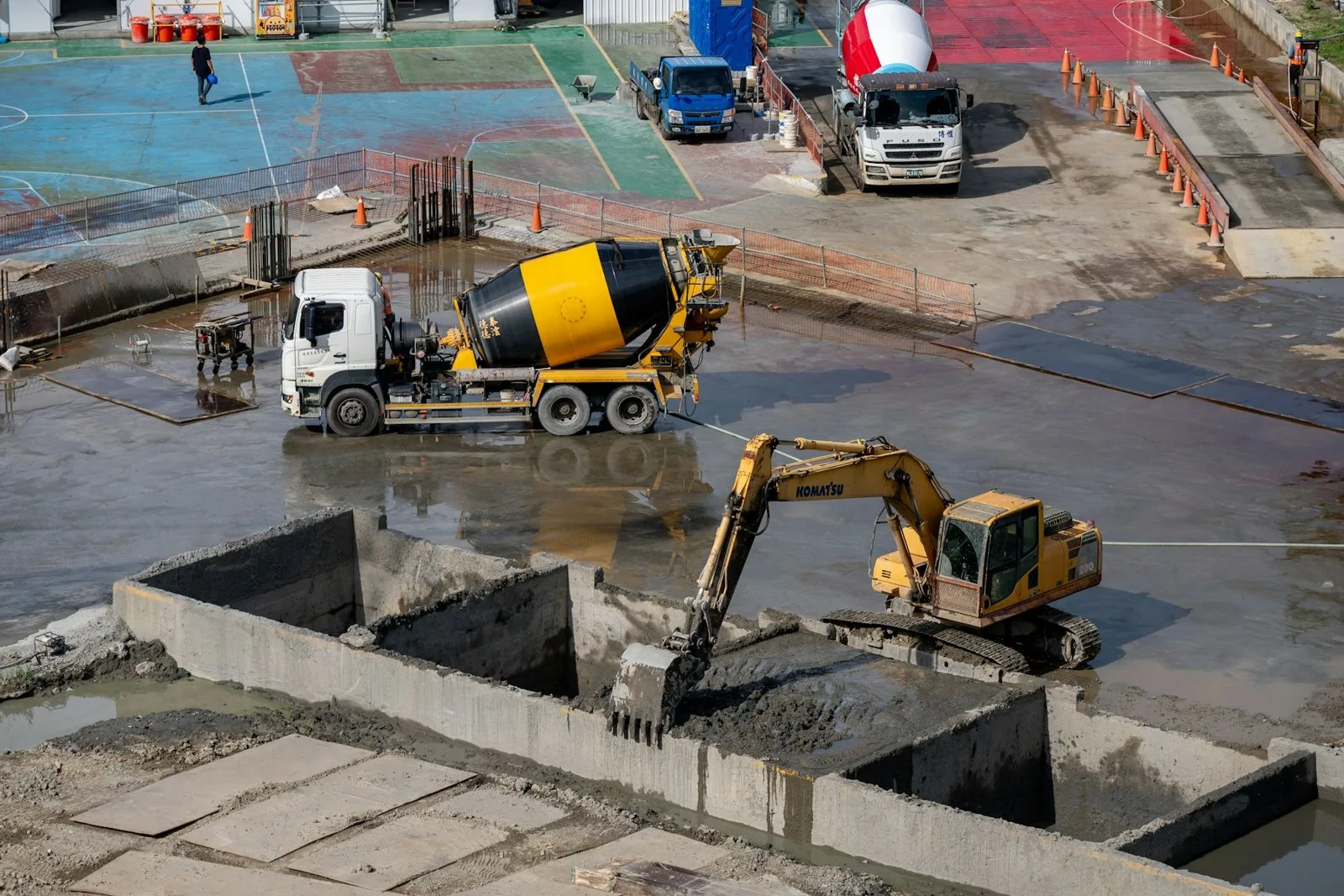
Fiber lowers the slump reading. ACI explains that part of this loss is only apparent, and that fibers do not need extra water. At low to moderate doses, a water reducer keeps the slump without changing the water-cement ratio. Therefore the hose stays off. If the mix is too stiff, the plant adjusts the admixture.
Match the count to the ticket
Finally, check that the bags used match the ticket and the volume, and write down any part bag.
The three methods side by side
| Method | When the fiber goes in | Mixing after the last bag | Main risk |
| Truck under the plant | After the other ingredients, drum turning | At least 40 revolutions, about 4 to 5 minutes | Bags added with the cement |
| Truck on site | One bag at a time, drum at mixing speed | The agreed count, never fewer than 40 | Cut revolutions when trucks queue |
| Site drum mixer | Weighed share, after stone, sand and some water | Longer than plain concrete, until no clumps show | Fiber tipped into an empty drum |
The plant method suits floors and other jobs that use macro synthetic fibers for concrete, because their doses are designed and the loads are large. For ready mix producers, our note on fiber reinforced ready mix concrete covers the plant side.
Where a supplier helps
Adding fiber to concrete goes smoothly when the plant, the crew and the supplier agree on the details beforehand. A good concrete fiber supplier designs the dose for you and backs the grade with paperwork. Polyguard's technical team designs the dose from your section, loading and exposure, free of charge. Every production batch has its own QC certificate, and we send a free sample for trial batching. For industrial floors, our team can also attend the first pour on request. If you are new to the material, start with how concrete fiber works.
Frequently Asked Questions
When should fiber go into a truck mixer?
After all the other ingredients are in, fed steadily into the turning drum. ACI then suggests at least 40 drum revolutions, about four to five minutes, unless the fiber maker says otherwise.
Can fiber be added to the truck on site instead of at the plant?
Yes, when the plant cannot dose it. Bring the drum to mixing speed, feed the bags one at a time, then complete the agreed number of revolutions before any concrete is discharged.
Should I add water if the slump drops after adding fiber?
No. ACI explains that part of the slump loss is only apparent and that fibers do not need extra water. At low to moderate doses a water reducer keeps the slump without changing the water-cement ratio.
What should I do if I see fiber balls at the chute?
Keep mixing and check again. Balls usually come from a mix that is too dry or short of fines, or from fiber dropped into an empty drum. If they do not break up, reject the load.