10 Commonly Used Fiber Types in Concrete and Their Applications
December 14, 2025
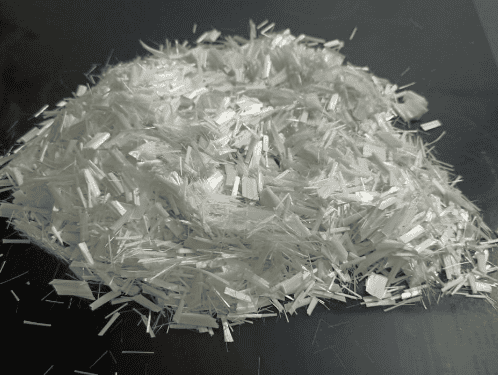
In the modern construction industry, improving the durability, strength, and sustainability of concrete structures is one of the main goals of engineers and material manufacturers. One effective solution to achieve this is the use of fiberglass fibers in concrete mixtures. Poly Guard, as one of the leading manufacturers of concrete reinforcement fibers and protective coatings, has played a significant role in expanding the use of fiberglass products. These products are often applied as a coating on concrete surfaces and function as a protective layer.
In this article from Poly Guard, we will comprehensively explain the effects of fiberglass fibers on concrete, along with their types and applications.
What Are Fiberglass Fibers?
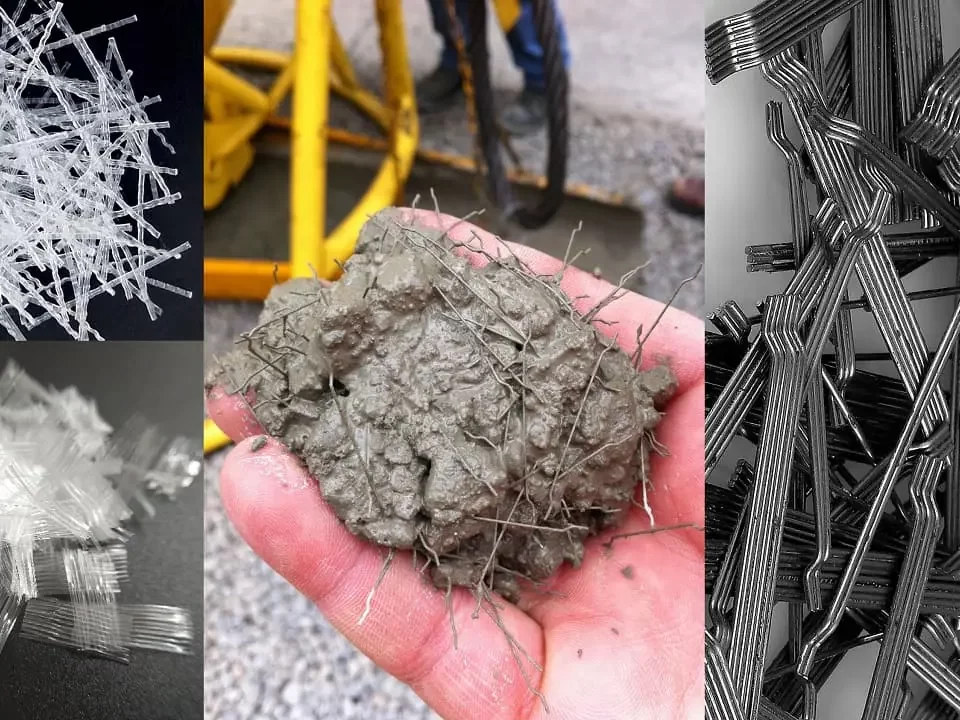
Fiberglass fibers are composed of very thin glass filaments with diameters of only a few microns. They are used in concrete either as continuous strands or in chopped form. These fibers are made from compounds such as silica, alumina, calcium oxide, glass wool, carbon fibers, plastic fibers, and similar materials, which enhance the tensile, thermal, and chemical resistance of concrete.
Effects of Fiberglass Fibers on Concrete
Increased tensile and flexural strength:
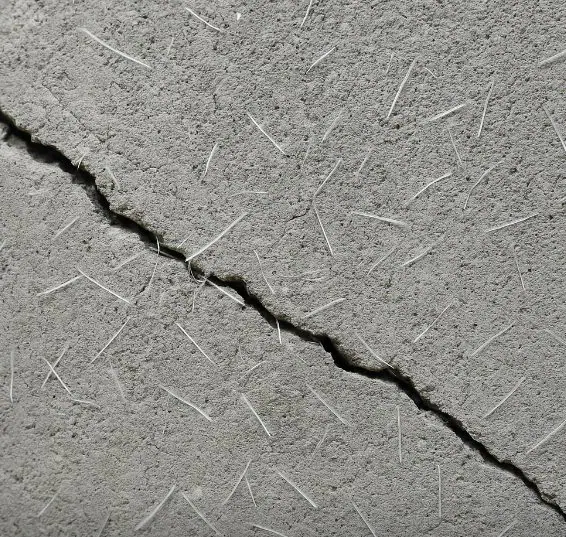
Adding fiberglass fibers to concrete improves its tensile and flexural strength. The fibers act as a three-dimensional network within the concrete, preventing the formation of microcracks.
Reduction of surface cracking:
Fiberglass fibers help retain internal moisture in concrete, reducing rapid shrinkage and preventing surface cracks while improving surface uniformity.
Enhanced durability and service life:
Fiberglass fibers are resistant to chemicals, alkalis, and UV radiation, significantly increasing the durability of concrete structures in industrial and humid environments.
Resistance to freeze–thaw cycles:
In cold regions, fiberglass fibers distribute internal stresses within the concrete, preventing crack propagation caused by freezing and thawing.
Advantages of Using Fiberglass Fibers in Concrete
| Advantage | Description |
|---|---|
| Increased mechanical strength | Improves tensile, flexural, and shear strength |
| Control of microcracks | Prevents cracks caused by drying or temperature changes |
| Reduced permeability | Limits water and chemical penetration |
| Chemical durability | Resistant to alkalis and acids |
| Lightweight | Improves performance without adding significant weight |
| High compatibility | Can be combined with admixtures and plasticizers |
What Is a Fiberglass Concrete Coating?
A fiberglass concrete coating is a protective layer made of glass fibers and durable resins applied to the surface of concrete. In addition to improving appearance, it prevents the penetration of water and corrosive substances. This type of coating is widely used in industrial projects, swimming pools, water treatment plants, and flooring systems. Its primary purpose is structural reinforcement and crack prevention.
Applications of Fiberglass Fibers in the Concrete Industry
-
Precast concrete and architectural elements
-
Industrial flooring and parking structures
-
Decorative and architectural components
-
Tanks and wastewater treatment facilities
-
Construction projects in humid environments
-
Protective coatings on concrete surfaces
Types of Fiberglass Fibers for Concrete
Woven (Mat) Fiberglass:
Woven fiberglass is made from continuous glass strands in a woven pattern. Its high resin permeability, uniform texture, and good mechanical and tensile strength make it ideal for layered reinforcement and molding of concrete–polymer components. Despite its very low weight, it offers excellent thermal insulation and strong resistance to water and corrosion. High resin penetration ensures good bonding with upper layers.
Needle-punched Fiberglass:
Needle fiberglass is supplied as soft, flexible felt- or mat-like sheets and is used in flooring, insulation, and surface coverings. This type is generally more economical and compatible with most polyester and vinyl ester resins.
Combination of Woven and Needle Fibers:
Combining these two types creates a heavier but highly durable composite, recommended for high-stress or impact-prone areas.
Additional Features and Benefits
-
High mechanical strength with suitable tensile resistance
-
Chemical resistance to moisture, alkalis, and many corrosive substances
-
Electrical and thermal insulation properties
-
Low density and weight with an excellent strength-to-weight ratio
Additional Applications
You have probably noticed large urban sculptures and decorative elements. These large façades are often coated with fiberglass concrete to make them resistant to environmental factors and damage. Another application is in parking structures and buildings. Fiberglass fibers are also widely used in aquaculture facilities and humid environments. Finally, they are commonly applied in tanks and channels.
Painting and Surface Coating
To paint fiberglass-reinforced layers on concrete, use coatings compatible with the base resin (usually vinyl ester or polyester) to maintain proper adhesion and long-term durability.
Installation Methods for Fiberglass Fibers on Concrete
Lamination method:
Mix the resin and hardener, apply the mixture to the mold or surface, and place the fiberglass layers. Use a metal roller to remove air bubbles and achieve proper compaction.
Spray-up method:
Chopped fibers are sprayed together with resin and hardener onto the surface. This is a fast method and is suitable for large areas.
Operating Temperature Range of Fiberglass Fibers
Fiberglass fibers generally have good stability at high temperatures, with short-term resistance up to approximately 650°C and lower temperatures suitable for long-term operation. In design, the type of base resin and environmental conditions must also be considered.
Why Poly Guard?
Poly Guard manufactures fiberglass fibers and concrete coatings in accordance with international standards, delivering high-quality and durable products. Key features of Poly Guard products include high strength, chemical stability, and specialized technical consulting for contractors.
Conclusion
Using fiberglass fibers in concrete is a modern approach to increasing structural strength, durability, and aesthetics. Fiberglass concrete coatings also significantly extend the service life of structures by preventing water and corrosive material penetration. Choosing Poly Guard products ensures optimal performance and long-term durability for concrete in industrial and construction projects.
To purchase various types of polymer fibers, please visit the Poly Guard main page.