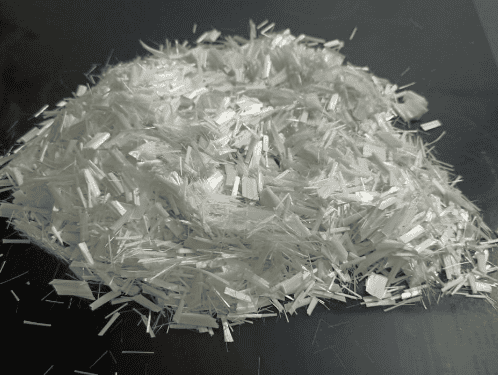
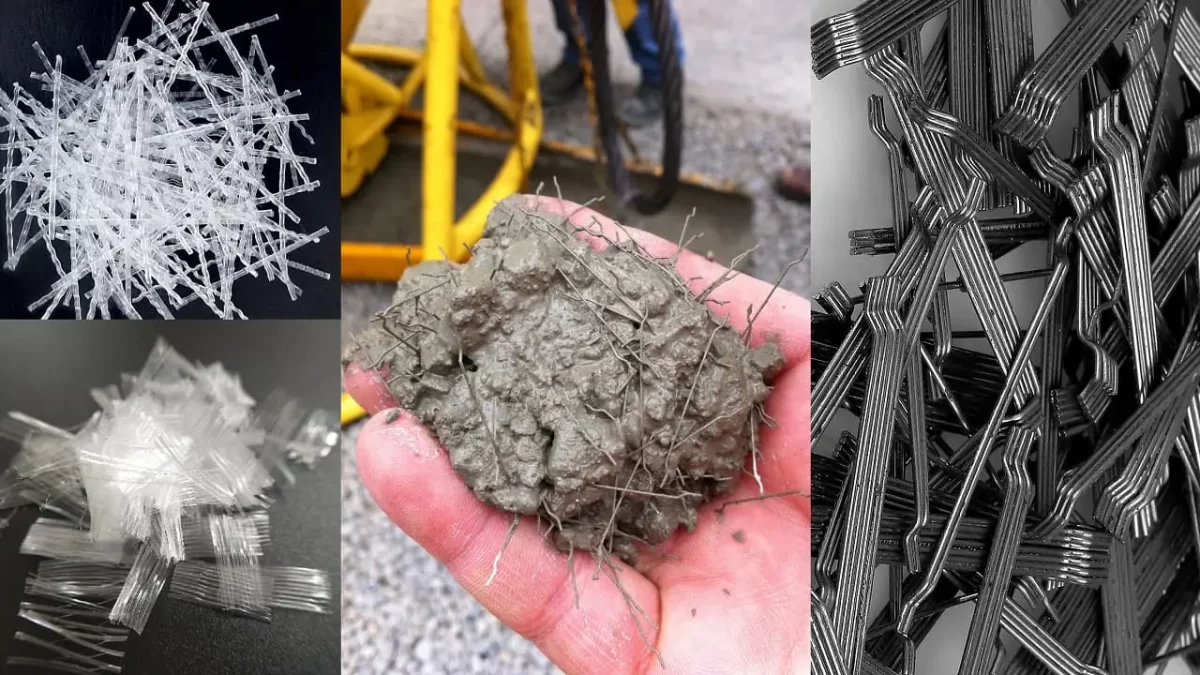
Despite its high strength and widespread use in a wide range of structures, concrete also has certain weaknesses. One of the most significant issues is cracking over time, especially when exposed to environmental factors. For this reason, various methods—such as adding polypropylene (PP) fibers—are used to reinforce concrete and improve its tensile performance. If you are considering strengthening the concrete used in your small or large construction projects, the following guide will be helpful.
Why Use PP Fibers in Concrete?
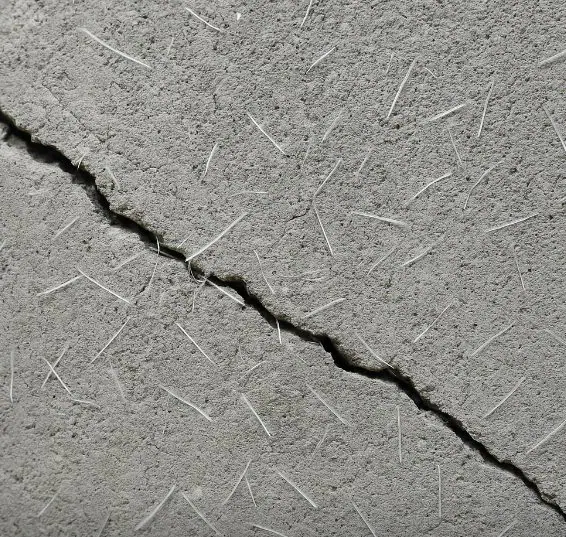
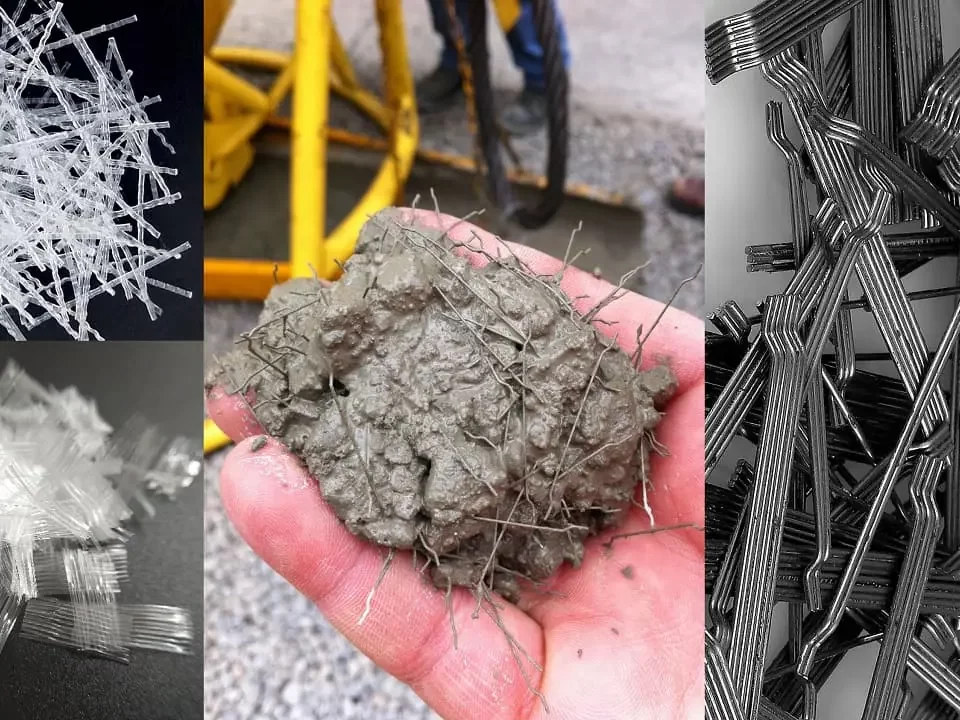
Rapid evaporation of water from the concrete surface causes a phenomenon known as plastic shrinkage, which ultimately leads to surface cracking. The primary reason for using PP fibers in concrete is to prevent this issue and enhance structural resistance. When polypropylene fibers are mixed into concrete, they act as micro-reinforcement. If a crack forms during the drying process, the fibers function like a “bandage,” bridging the crack and holding both sides together.
As a result, the early-age strength of concrete increases, and surface cracks that reduce the service life of structures are effectively controlled. Over time, PP fibers also have a significant impact on the overall quality and durability of concrete. One notable benefit is improved resistance to fire, as polypropylene fibers help relieve internal vapor pressure at elevated temperatures.
Methods of Using Polypropylene Fibers in Concrete
To achieve the best results, it is essential to follow the correct application method. In general, there are three main methods for adding PP fibers to concrete:
1. Adding to Dry Aggregates
In this method, the fibers are added to dry materials such as sand and gravel before cement, water, and other admixtures are introduced. This is considered the most reliable method for ensuring uniform fiber dispersion. When added to dry aggregates, fibers separate easily from each other and, if the dosage is correct, mix evenly throughout the concrete.
2. Adding at the Batching Plant
Here, fibers are gradually and slowly added to the concrete mixer at the batching plant or transit mixer. Each addition stage should be mixed for several minutes. Proper and sufficient mixing is critical; otherwise, fibers may clump together and remain unevenly distributed within the concrete.
3. Adding On-Site
This method is similar to the batching plant approach but uses mixers available at the construction site. Fibers are added gradually and mixed thoroughly with the concrete. This method is typically suitable for small-scale projects or sites requiring limited amounts of concrete.
Recommended Dosage of Polypropylene Fibers in Concrete
The dosage of polypropylene fibers in concrete generally ranges from 0.6 to 3.0 kg per cubic meter, depending on the purpose of use. The most important factors affecting fiber dosage include the type of concrete and its intended application.
For example, ready-mix concrete typically requires a lower fiber content compared to plaster or gypsum-based concrete. Another critical factor is fiber length and size—longer fibers usually require a lower dosage to achieve the desired performance. Therefore, selecting the optimal dosage requires careful consideration of these variables.
For all projects—especially critical structural applications—it is strongly recommended to consult an experienced engineer when determining the appropriate fiber dosage. Improper fiber use can negatively affect concrete performance, reduce structural lifespan, and increase overall costs.
Key Considerations When Using PP Fibers in Concrete
As mentioned, accurate estimation of fiber dosage should be performed by a qualified engineer. However, the following factors can help provide a general guideline:
Additionally, the type and dimensions of the fibers themselves play an important role in determining the appropriate dosage and mixing ratio. When purchasing polypropylene fibers for concrete reinforcement, always follow the manufacturer’s technical guidelines and recommendations.
Final Remarks
There are several effective methods for reinforcing concrete and preventing cracking, one of which is the use of polypropylene fibers. To achieve optimal results and extend the service life of a structure, it is essential to understand both the correct application method and proper dosage.
This article provided an overview of how to use polypropylene fibers and how to estimate their required amount. However, factors such as concrete type, thickness, and fiber geometry are equally important. For structural applications, all measurements and mix designs should comply with supplier standards and be carried out under professional engineering supervision.
For purchasing polypropylene fibers and receiving technical consultation, please contact our experts at Poly Guard.